

What is E-Commerce?
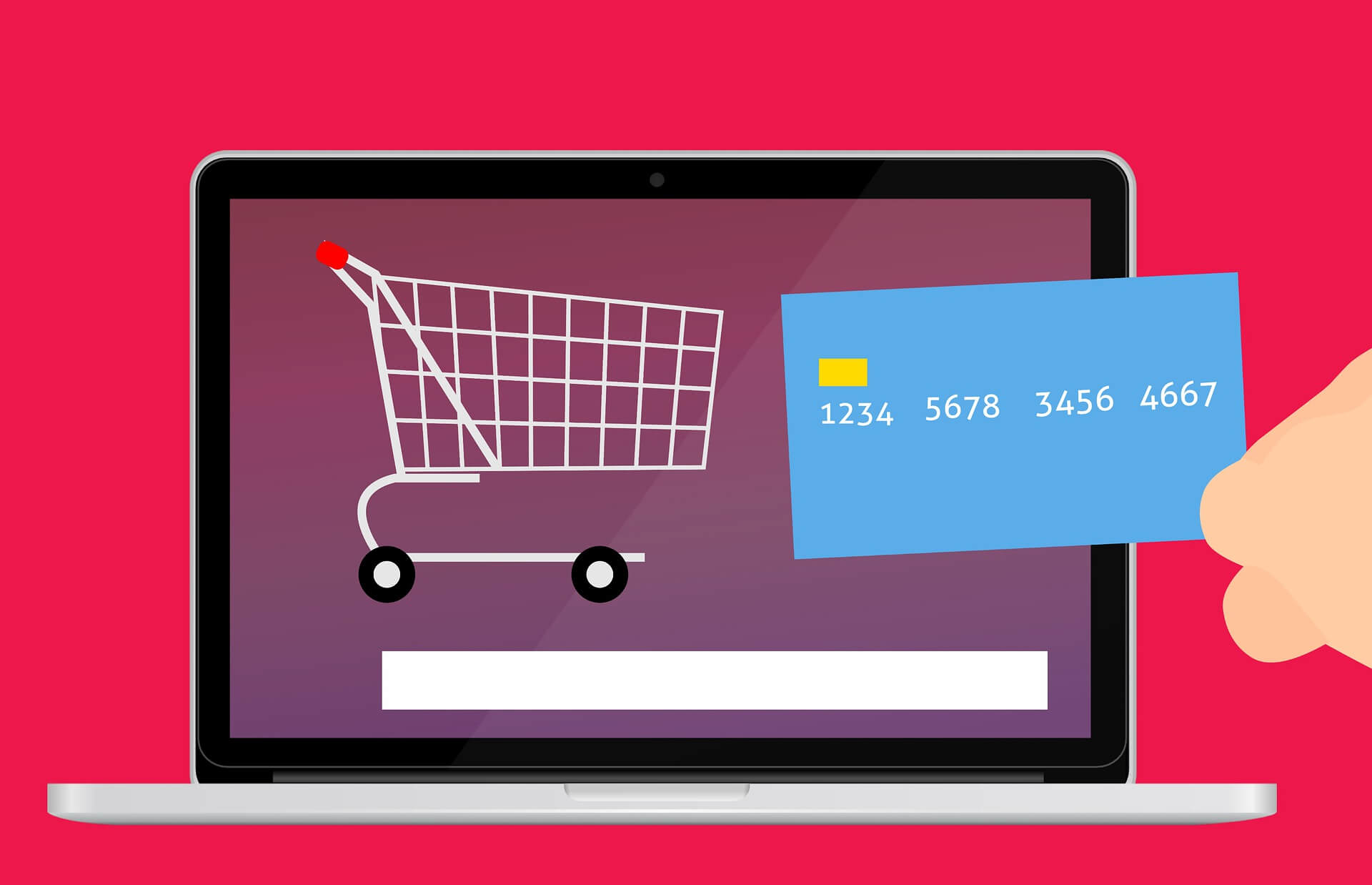
Electronic commerce, or E-Commerce, is simply the marketplace for buying or selling products over the Internet.
There are 4 main types of electronic commerce, namely: Business-to-Business (B2B, Alibaba), Business-to-Consumer (B2C, Amazon), Consumer-to-Consumer (C2C, eBay), and Direct-to-Consumer (D2C or DTC), which are becoming increasingly popular among people, such as Adidas, DM, and all other companies that sell their products directly to consumers.
Every year, E-Commerce revenue increases as Internet usage continues to grow worldwide. The most popular way to open an online shop is to create a website. Nowadays, there are many E-Commerce platforms available. They continuously update and improve their services to provide a good and useful experience that attracts more consumers.
E-Commerce Giants
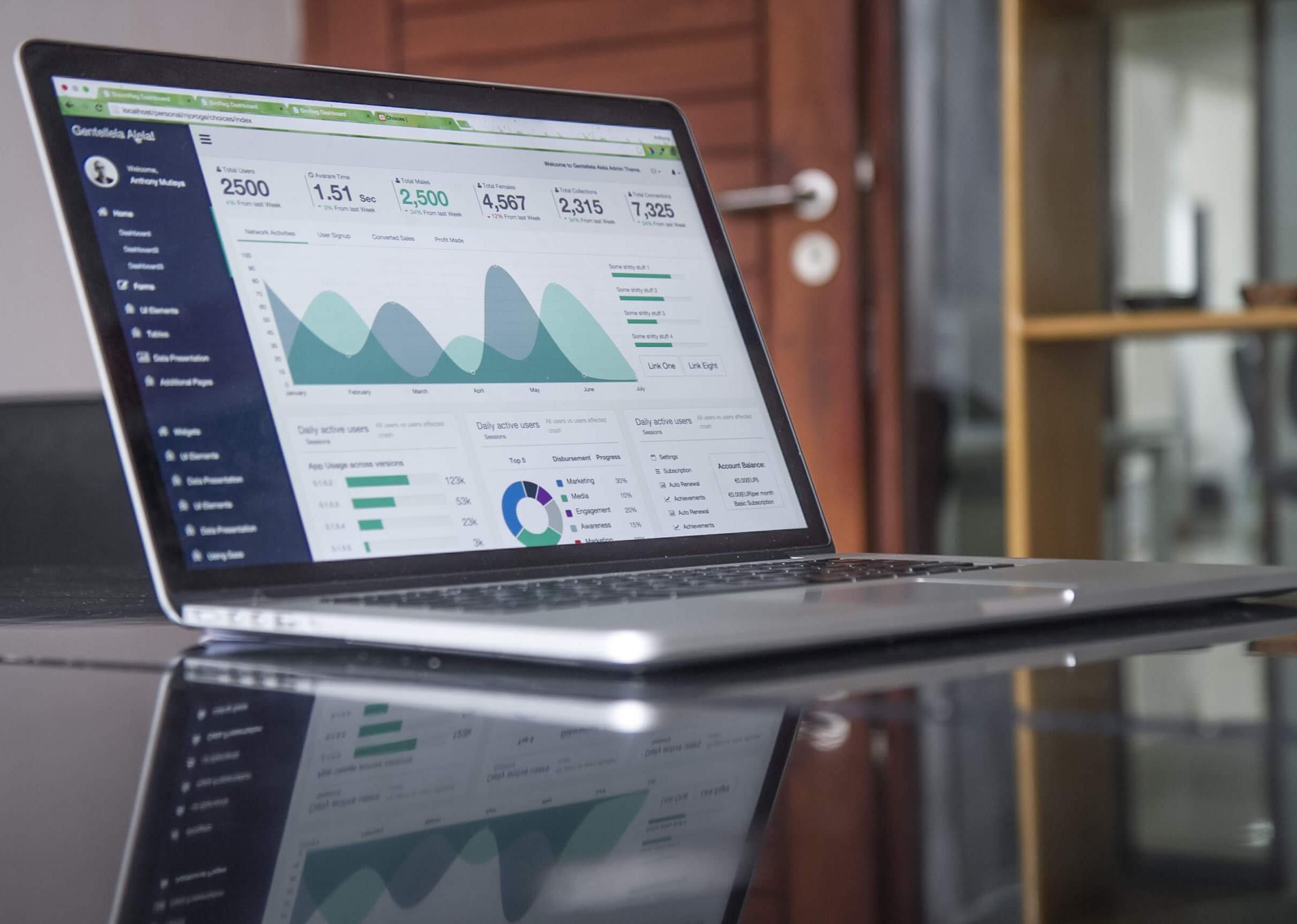
The two largest E-Commerce websites in the world, Amazon and Alibaba, operate on a B2C and B2B basis, respectively. "In 1995, Amazon launched as an online bookseller. Today, consumers reportedly purchase around 7,400 products per minute from U.S. sellers alone" (Haupt, 2022).
Alibaba, China's largest E-Commerce marketplace, acts as an intermediary between buyers and merchants. The largest Chinese E-Commerce marketplace achieved a sales record of $84.5 billion in a single day.
Easier Shopping
As more and more consumers choose to purchase essential products online, electronic commerce continues to expand. Thanks to annual improvements in logistics and digital payments, E-Commerce has grown even further. People now prefer digital payment methods such as PayPal, Google Pay, and Apple Pay. Many also use contactless payment when shopping in physical stores.
There are many different types of people who shop online. Some use it because they do not have enough time, while others prefer it because they can find better deals and shop conveniently and easily.
After the pandemic, many people used the Internet to purchase groceries and other everyday necessities. Since then, growth has accelerated because it is easy, fast, and convenient until the item arrives at your doorstep. However, a disadvantage is that online shopping can become so addictive for some people that they can no longer control their spending. One reason for this is that marketers use algorithms to display advertisements based on your recent searches and recommend products to you.
"Compared with shopping in person, it is overall a much more satisfying experience because there is less friction, fewer barriers, fewer behavioral costs, more specificity and more choice, and the shopping experience is entirely tailored to us; we can shop quickly or slowly"
(Joshua Klapow, Psychologist / time.com).

Germany and Europe
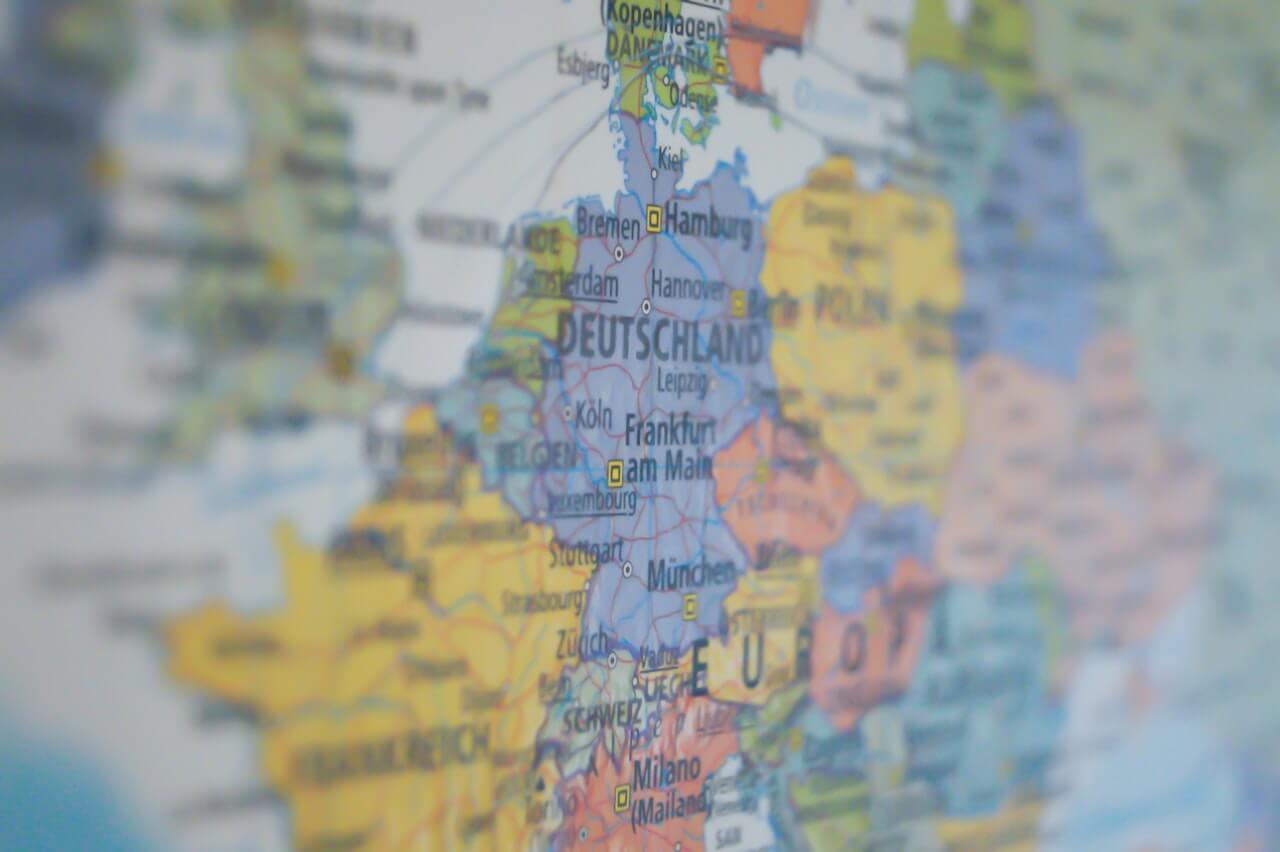
In 2022, Internet usage in European countries reached 91% and 93% in Germany. The number of online shoppers increased from 73% to 75% in Europe and reached 82% in Germany (Lone & Weltevreden, 2022). These figures clearly show the direction in which online shopping is heading.
Sustainability is a very important topic for Germans, and online shopping can contribute through optimized returns management, environmentally friendly packaging, and sustainable shipping. According to the German Environment Agency, "online shopping is in most cases more sustainable than a physical store." This is highly significant and may encourage more Germans to shop on E-Commerce websites.
(Lone, Harboul & Weltevreden, 2021)