

Artificial intelligence (AI) is one of the most exciting developments of our time and has already brought about major changes in many industries – including retail. In e-commerce, AI can help optimize customer service, improve the shopping experience, and even increase efficiency in logistics. In this blog post, we would like to introduce you to some of the most important aspects of AI in e-commerce. From personalization and image recognition to chatbots and delivery, we will try to answer all your questions and provide you with a comprehensive introduction to the topic. So make yourself comfortable and let’s dive into the world of AI in retail together.
1. Personalization: How AI Meets Individual Customer Needs
AI is improving e-commerce in many areas. One important aspect is personalization. Thanks to AI, online retailers can get to know their customers better and provide them with tailored offers. By analyzing data such as purchasing behavior or search queries, individual customer needs can be identified and addressed. The result: more satisfied customers and higher sales figures.
2. AI-Based Image Recognition: How It Improves the Shopping Experience
AI-based image recognition improves the shopping experience by allowing customers to search using images instead of text. This allows them to quickly and easily find what they are looking for without having to enter complicated search terms. This technology can also be used to recommend similar products and items that customers might like, based on the products they have viewed or purchased.
3. Copyright – Using Images and Texts
When it comes to using images and texts generated by chatbots such as GPT-3 and others, the question of copyright is an important issue for many people. To answer it briefly: The use of generated content follows the same rules as the use of content created by human authors. This means that the copyright belongs to the person or organization that programmed the chatbot. Therefore, if you intend to use generated content, you should make sure that you have permission from the copyright holder and comply with the applicable copyright regulations. It is also important to note that the accuracy and quality of generated content is not yet perfect and may need to be edited to achieve the desired quality.
4. Predicting Customer Behavior: How AI Helps Online Shops Recognize Each Customer’s Intent
Thanks to artificial intelligence, online shops can better predict their customers’ behavior and provide personalized offers. By analyzing customer data, such as previous purchases or search queries, AI can automatically generate recommendations for future purchases. This allows online shops to target their advertising more effectively and address customers individually, resulting in higher conversion rates and increased sales.
5. Chatbots: How AI-Powered Chatbots Optimize Customer Service

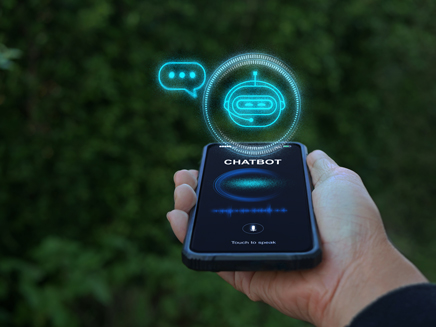
AI-powered chatbots are revolutionizing customer service in e-commerce. These virtual assistants can answer questions, take orders, and handle complaints around the clock. They are capable of understanding human language and interacting naturally with customers. The benefits are obvious: companies can improve the efficiency of their customer service, resulting in greater customer satisfaction. Chatbots can also help reduce waiting times for responses, making customer service faster and more effective.
6. Logistics and Delivery: How AI Increases Efficiency in Logistics
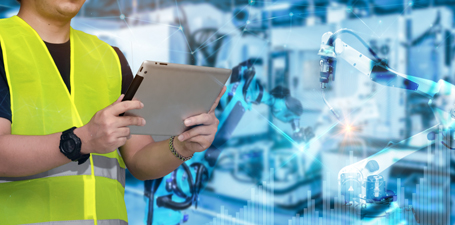
Artificial intelligence (AI) is optimizing logistics and delivery processes in e-commerce. AI-based tools enable better route planning, automated freight tracking, and more accurate delivery time predictions. This allows companies to optimize their transportation processes and avoid bottlenecks. AI-based systems can also help optimize inventory levels by using real-time data to forecast demand and minimize downtime. Overall, AI offers enormous benefits in the area of logistics and delivery for e-commerce, as it increases efficiency and improves customer satisfaction through faster and more effective delivery.