


Especially on the web, many factors need to be considered when choosing the right image format. These include file size, color spectrum, transparency and scalability. But which image format is best suited for what purpose? There are many different image formats, but they differ in their individual properties. Some, for example, support a transparent background, others offer a wide color spectrum, while others can only be compressed with loss of quality.
What format should images use on the web?
The JPEG/JPG (Joint Photographic Experts Group) format is best suited for photographs or images with high color depth and dynamic range. It has the advantage of being highly compressible while still providing very good image quality. Therefore, this format is generally used for all images on websites, with the exception of images with transparent backgrounds.
The PNG (Portable Network Graphics) format is best suited for logos and graphics with transparent backgrounds. It can also be compressed, although this reduces the number of colors. It is therefore primarily suitable for cut-out images with transparent backgrounds. Transparent backgrounds can only be created in PNG format.
The SVG (Scalable Vector Graphics) format is a vector graphics format that was specifically developed for the web. The format can be used as an alternative to cut-out logos in PNG format because it provides better quality. It is particularly suitable for logos, icons and simple graphics in responsive designs that are required in different sizes, colors and shapes. It is also suitable for graphics that need to be edited later.
The GIF (Graphics Interchange Format) format is suitable for animations, such as small logos and icons with a limited color depth. With only 256 colors, its color spectrum is very limited. Depending on the application, vector graphics are generally recommended for logos and icons because they can be scaled to any size, making responsive designs possible.
Why is image optimization worthwhile?
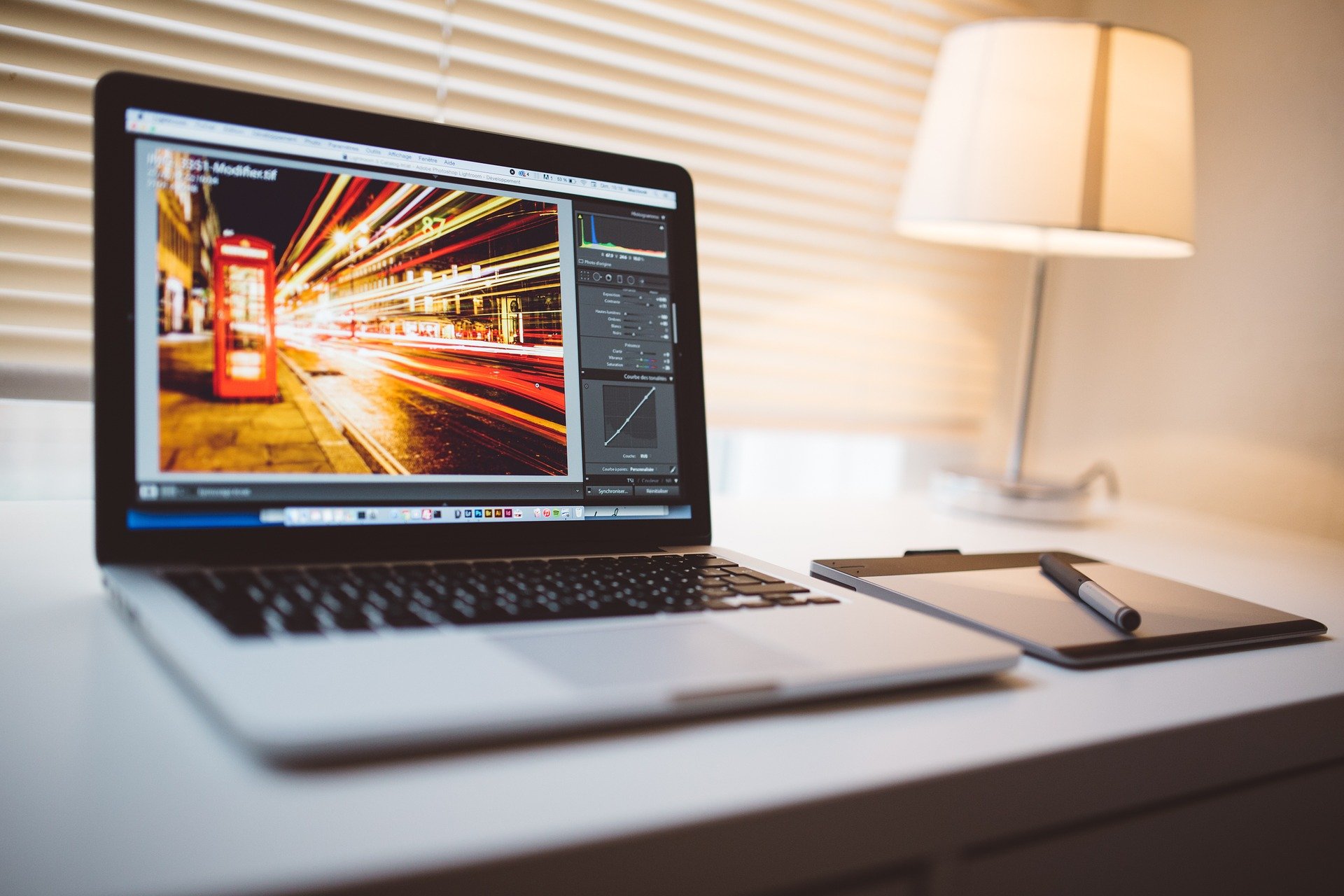
An important reason why image optimization is worthwhile is that it reduces website loading times. Various studies show that most online shop visitors do not wait for a page with images to load completely, but instead continue browsing on a competitor's website. To prevent this, images should be compressed before being uploaded. Another reason to optimize images is that it can improve your Google ranking, as Google uses “Page Load” as a ranking factor in its algorithm. The goal is always to find the right balance between the best possible image quality and the smallest possible file size.
Do you have any further questions about this topic? Or do you need help designing your website from a professional web agency in Munich? Then feel free to contact us!