


You have probably already heard of the Creative Commons license, but have you also heard of the CC0 license? Although they are similar, there are some significant differences between the two that can be relevant to anyone who uses or shares content. In this blog article, we will explain the differences between these two licenses, highlight which option is best suited for which purposes, and define the six Creative Commons license types. If you have never heard of the CC0 license or would like to learn more about it, read on.
-
What is the Creative Commons License (CC License)?
-
What is the CC0 License?
-
The Key Differences Between the CC License and CC0 License
-
What Are the Six Creative Commons License Types?
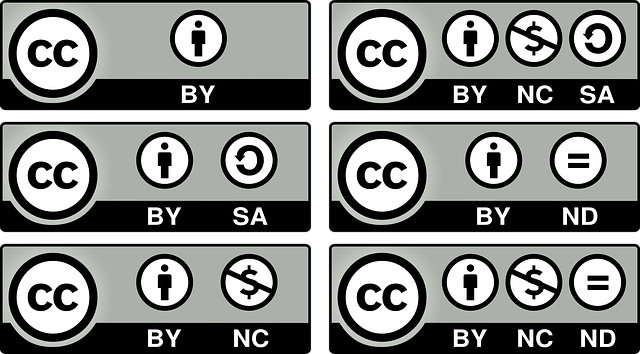
- CC BY: allows others to share, copy, and modify your work as long as they give you credit.
- CC BY-SA: allows others to share, copy, and modify your work as long as they give you credit and publish their derivative works under the same license.CC BY-SA: allows others to share, copy, and modify your work as long as they give you credit and publish their derivative works under the same license.
- CC BY-ND: allows others to share and copy your work as long as they give you credit, but they may not edit or modify it.
- CC BY-NC: allows others to share, copy, and modify your work as long as they give you credit and do not use it for commercial purposes.
- CC BY-NC-SA: allows others to share, copy, and modify your work as long as they give you credit, do not use it for commercial purposes, and publish their derivative works under the same license. li>CC BY-NC-ND: allows others to share and copy your work as long as they give you credit, do not use it for commercial purposes, and do not edit or modify it.
-
Use Cases of the CC0 License
- 1) Releasing open-source software
- 2) Releasing research data
- 3) Releasing art and creative works
- 4) Releasing educational content and teaching materials
- 5) Releasing government data and public-domain materials. The CC0 license is a great way to ensure that your works can be used and shared by as many people as possible.
The Creative Commons license (CC license) allows creators to share and distribute their works in the digital world. You can decide for yourself which rights you want to grant to others. The CC license is an alternative to traditional copyright, which restricts the use of works. With a CC license, users can legally use the content of a work without having to ask for permission every time. The different CC licenses vary in their details, but they all have one thing in common: they promote greater openness on the internet and make it easier to distribute and use content.

The CC0 license is a way for rights holders to make their works available to the public. CC0 stands for "Creative Commons Zero" and means that the rights holder waives all of their copyrights. This means that the work can be used, modified, and redistributed freely and without restrictions. The CC0 license is intended to make it easier to use and promote creative content in order to support an open and free culture.
Creative Commons (CC) licenses and the CC0 license both have their advantages and disadvantages. CC licenses allow creators to license their works in a simple and flexible way. The CC0 license, on the other hand, allows the creator to place their work entirely in the public domain. The difference between the two licenses is therefore that CC licenses give the creator more control over their work, while the CC0 license represents a complete release. However, both licenses aim to promote and facilitate the distribution and use of creative works.
If you share your creativity online, you probably want others to use it while also ensuring that you receive the recognition you deserve. This is where Creative Commons licenses come into play. These licenses allow you to give others the freedom to share, use, and build upon your work while protecting your copyrights at the same time. There are six different types of Creative Commons licenses, ranging from the most restrictive ("CC BY-NC-ND") to the most permissive ("CC BY"). Here is a brief summary of each license:
The CC0 license is a public license that allows creators to make their works freely available to everyone and waive all rights. Here are five use cases in which the CC0 license can be particularly useful: